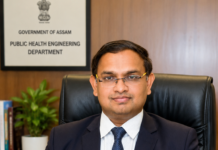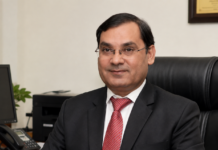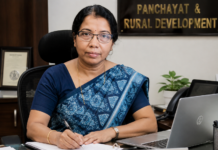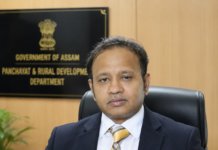


The Journey Begins
“Good governance is measured not by promises made, but by lives transformed.”
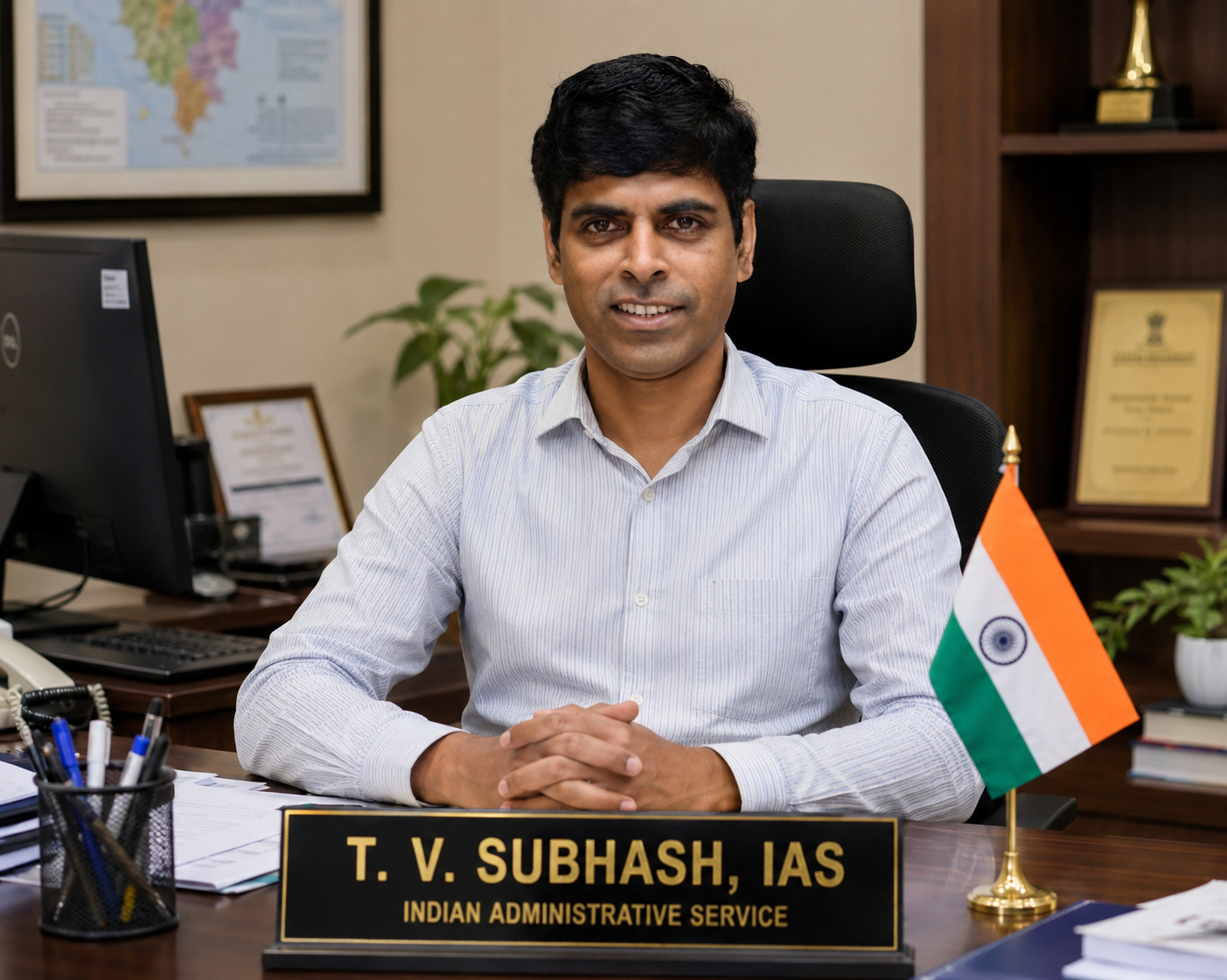
Few civil servants exemplify administrative excellence as consistently as T. V. Subhash, IAS. A 2004-batch Indian Administrative Service (IAS) officer of the Kerala Cadre, he has earned recognition for his leadership in urban development, local governance, public administration, and policy implementation. Through every assignment, he has focused on transparency, innovation, and people-first governance.
Full Name: T. V. Subhash, IAS
Current Designation / Posting: Special Secretary to the Government of Kerala, Agriculture Department
Batch Year: 2004 IAS Batch
State Cadre: Kerala Cadre
The Catalyst – Why Civil Services?
Driven by the desire to create meaningful social change through public administration, T. V. Subhash chose the civil services to improve governance and public service delivery. His academic excellence, leadership qualities, and commitment to nation-building motivated him to prepare for the UPSC Civil Services Examination.
His success reflects years of perseverance, discipline, and dedication to serving society through ethical administration.
Early Life and the UPSC Journey
T. V. Subhash grew up in Kerala in an environment that emphasized education, discipline, and public responsibility. Excelling in academics from an early age, he pursued higher education before dedicating himself to preparing for the Civil Services Examination.
His determination and consistent effort earned him a place in the prestigious Indian Administrative Service (IAS), opening the door to a career committed to public welfare and administrative excellence.
Stepping into the Field: Notable Stints
Throughout his career, T. V. Subhash has served in several important administrative positions involving:
- District Administration
- Urban Development
- Local Self-Government
- Revenue Administration
- Infrastructure Development
- Public Welfare Schemes
- Government Administration
- Development Planning
The Turning Point / Signature Initiative
One of the defining aspects of his administrative career has been his focus on modern governance and sustainable development.
His leadership has contributed to:
- Improving urban governance.
- Strengthening infrastructure development.
- Enhancing digital governance.
- Promoting transparency in administration.
- Efficient execution of welfare programmes.
- Improving public service delivery.
Major Achievements & Administrative Leadership
Over the years, T. V. Subhash has contributed significantly to:
- Urban planning and infrastructure development.
- Administrative reforms.
- Public welfare implementation.
- Digital governance initiatives.
- Local self-government strengthening.
- Citizen grievance redressal.
- Revenue administration.
- Development planning.
- Sustainable governance practices.
Challenges Overcome
Every senior administrator faces demanding assignments, and T. V. Subhash has successfully managed:
- Complex district administration.
- Multi-department coordination.
- Disaster preparedness and response.
- Infrastructure execution challenges.
- Administrative reforms.
- Delivery of welfare programmes in diverse communities.
Awards & Recognition
SKOCH Order of Merit Award, State and Regional Governance Excellence
- Administrative excellence.
- Transparent governance.
- Public service leadership.
- Efficient implementation of development projects.
- Citizen-centric administration.
Personal Insight / Quote
A quote that reflects his administrative philosophy is:
“True leadership in public service is about creating opportunities, ensuring transparency, and making governance accessible to every citizen.”
Legacy
T. V. Subhash’s administrative legacy includes:
- Ethical governance.
- Development-oriented administration.
- Urban infrastructure improvements.
- Citizen-first governance.
- Administrative innovation.
- Transparent public service delivery.
Conclusion & The Vision Ahead
T. V. Subhash, IAS, represents the modern face of Indian administration—professional, transparent, and deeply committed to public welfare. His contributions across governance, development, and administrative reforms demonstrate how effective leadership can improve lives and strengthen democratic institutions.
As Kerala advances toward digital governance and sustainable development, his experience and vision continue to contribute to the state’s progress.
“Public service is not merely about administration; it is about creating lasting value for society through integrity, innovation, and compassion.”
Quick Reference
Full Name: T. V. Subhash, IAS
Current Posting: Special Secretary in the Agriculture Department of the Government of Kerala
Previous Postings:
- District Administration
- Urban Development
- Local Self-Government
- Revenue Administration
- Development Administration
- Senior Government of Kerala assignments
Awards & Achievements:
- Administrative Excellence
- Infrastructure Development Leadership
- Public Welfare Implementation
- Transparent Governance
- Development Administration
Education: Bachelor of Arts in Economics and a Master of Arts in Social Work
Batch: 2004 IAS Batch
Promotions: Promoted through successive senior administrative positions in the Government of Kerala.
Key Issues Handled:
- Urban Development
- Infrastructure Projects
- Public Welfare
- Revenue Administration
- Administrative Reforms
- Local Governance
- Digital Governance
- Citizen Grievance Redressal
Inspirations To Count:
- Integrity
- Ethical Leadership
- Public Service
- Good Governance
- Innovation
- Transparency
- Nation Building
Message From the Officer
“To every UPSC aspirant and young citizen of India: never lose sight of your purpose. Success comes through discipline, hard work, humility, and integrity. Public service is an opportunity to positively influence countless lives. Lead with honesty, remain committed to learning, and always place the welfare of people above personal ambition.”