

A Legacy of Integrity, Strategic Policing, and Unwavering Public Trust
JOURNEY:
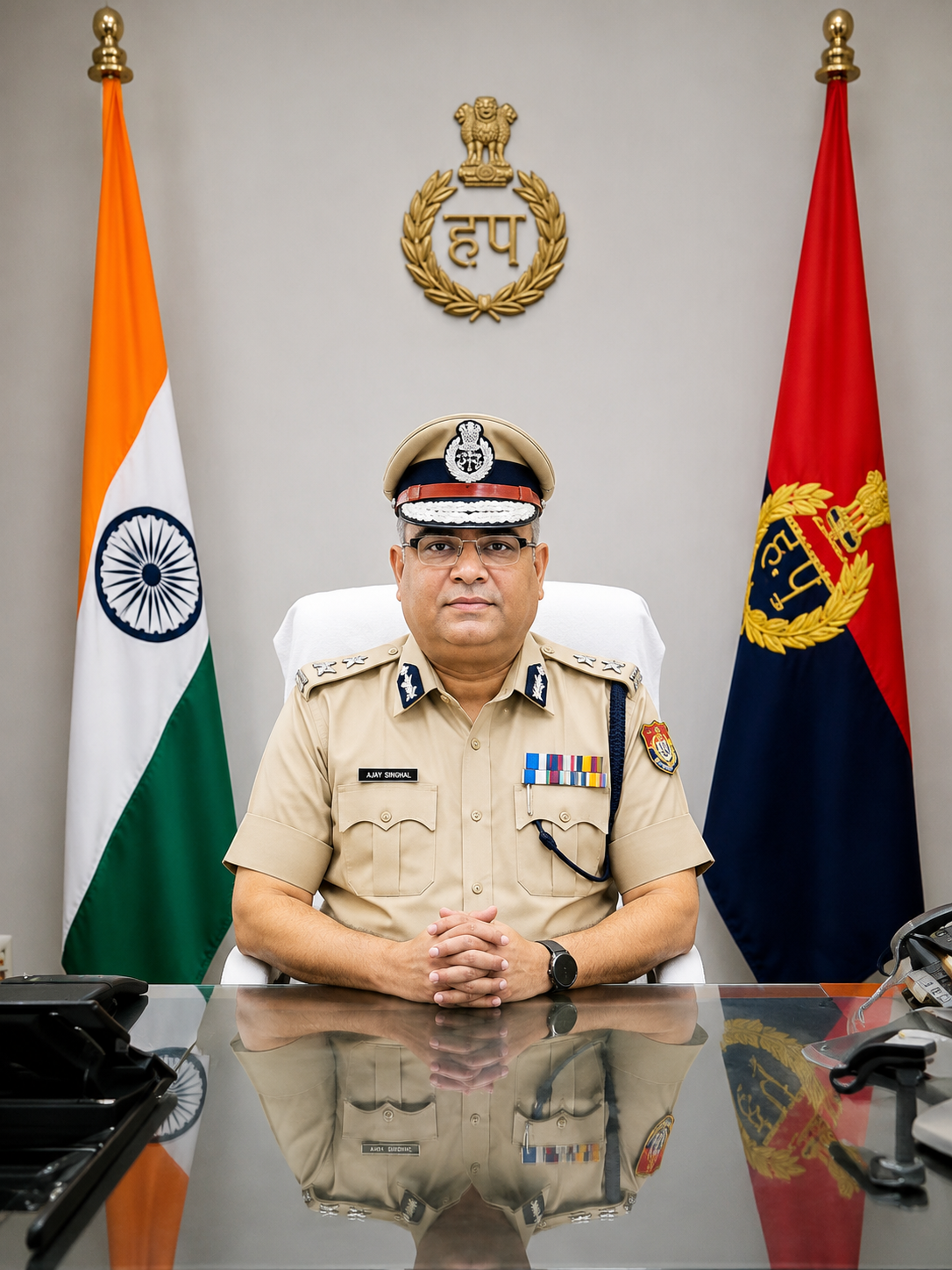
“Policing is not just about enforcing the law; it is about reinforcing the faith that the common man places in the state.” These words echo the professional philosophy of Shri. Ajay Singhal, a decorated officer whose career has been defined by quiet efficiency and a steadfast commitment to clean governance. As a 1992-batch IPS officer of the Haryana cadre, he currently serves as the Director General of Police (DGP) of Haryana, a role he assumed at a critical juncture to ensure administrative continuity and bolster the force’s public mandate.
-
Full Name: Ajay Singhal
-
Current Designation: Director General of Police (DGP), Haryana
-
Batch Year: 1992
-
State Cadre: Haryana
Early Life and the UPSC Journey
Born on July 1, 1966, in Rewari, Haryana, Shri. Ajay Singhal hails from a background rooted in the values of discipline and service. An engineer by academic training, he holds a B.Tech degree, which provided him with the analytical rigor and systematic problem-solving skills that would later become the hallmark of his policing style. His journey to the Indian Police Service was fueled by a desire to contribute meaningfully to the nation’s security apparatus, transitioning from technical expertise to the complexities of law enforcement.
Stepping into the Field: Notable Stints
Throughout his distinguished career, Shri. Singhal has navigated the challenging landscapes of district policing and high-stakes administrative roles. Before his appointment as DGP, he served as the Chief of the Vigilance and Anti-Corruption Bureau in Haryana. In this capacity, he spearheaded several high-impact anti-corruption drives, dismantling networks of graft and earning a reputation as a “no-nonsense” officer. His career progression—from ASP and SP levels in his early years to the state’s top police post—reflects his deep understanding of ground-level policing combined with state-level administrative strategy.
The Catalyst: The “Why”
What drives a man to take on the weight of a state’s security? For Shri. Singhal, it is the pursuit of systemic accountability. His motivation has always been to build a police force that is both feared by criminals and accessible to the vulnerable. His transition into the DGP role marks a focus on consolidating gains in cyber-fraud prevention, organized crime crackdowns, and police modernization—initiatives he championed even before taking the helm of the Haryana Police.
Awards and Legacy:
Shri. Ajay Singhal’s contributions have been recognized at the highest levels of the government. He is a recipient of:
-
Police Medal (PM) for Meritorious Service (2008)
-
President’s Police Medal (PPM) for Distinguished Service (2017)
His legacy is one of “quiet efficiency.” He is noted for leaving a positive impact on every department he has led, particularly through his emphasis on transparency and the digital transformation of police grievance redressal systems.
Conclusion & The Vision Ahead:
As he looks toward the future, Shri. Singhal’s vision is centered on a police force that evolves alongside the technology of modern crime. His philosophy remains simple: justice should be swift, and the protector must be as tech-savvy as the predator. His tenure as DGP represents a promise of stability and a continued push toward a safer, more responsive Haryana.
-
Full Name: Ajay Singhal
-
Current Posting: Director General of Police, Haryana
-
Previous Postings: Chief, Vigilance and Anti-Corruption Bureau; various field postings as SP and District In-charge.
-
Awards & Achievements: President’s Police Medal (2017), Police Medal (2008).
-
Education: B.Tech.
-
Batch: 1992
-
Key Issues Handled: Anti-corruption, organized crime, administrative reforms, and public grievance redressal.
Message From The Officer
“True policing is found in the confidence of the citizen. My message to the youth is to pursue excellence with integrity—the uniform is not just a symbol of power, but the greatest opportunity to serve the dignity of our nation.”