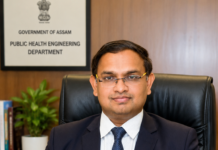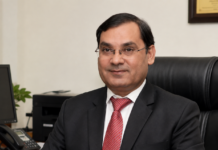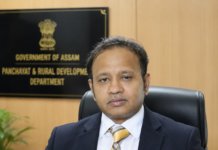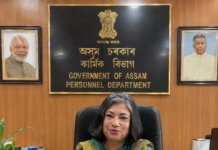


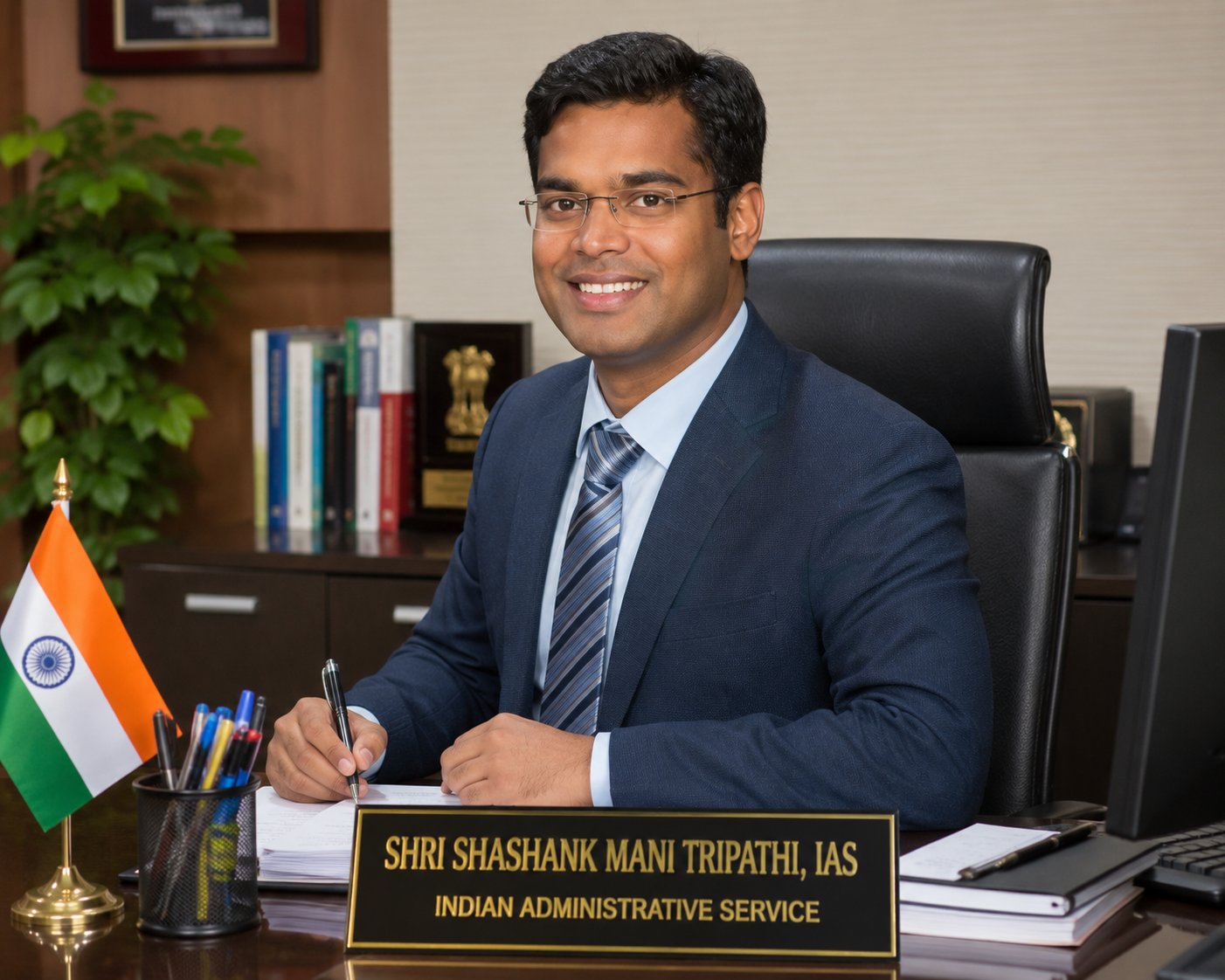
A dedicated Indian Administrative Service officer whose commitment to transparent governance, people-centric administration, and innovative public service has made him a respected leader in the Union Territory administration.
Profile at a Glance
“The true measure of an administrator is not the number of files cleared but the number of lives transformed.”
This philosophy perfectly reflects the career of Shri Shashank Mani Tripathi, IAS, an accomplished Indian Administrative Service officer known for his efficient administration, developmental vision, and people-first governance. Serving in key administrative positions in the AGMUT (Arunachal Pradesh-Goa-Mizoram and Union Territories) Cadre, Shri Tripathi has consistently demonstrated that effective governance is built upon transparency, accountability, innovation, and compassion.
Whether improving public service delivery, strengthening digital governance, implementing welfare schemes, or leading district administration during challenging situations, Shri Tripathi has earned admiration for his calm leadership and result-oriented approach.
His career reflects the modern face of Indian bureaucracy—technology-driven, citizen-focused, and committed to inclusive development.
The Calling: A Commitment to Public Service
Like many outstanding civil servants, Shri Shashank Mani Tripathi viewed the IAS as a platform to create meaningful change in society. Inspired by the transformative power of public administration, he aspired to improve governance, uplift underprivileged communities, and ensure that government services reached every citizen efficiently.
His vision extended beyond policy formulation. He believed that true administration requires direct engagement with people, understanding their challenges, and delivering practical solutions. This commitment became the driving force behind his UPSC journey.
Early Life and the UPSC Journey
Shri Shashank Mani Tripathi comes from an academically inclined family where education, integrity, and discipline were deeply valued. During his school years, he consistently excelled in academics while developing a keen interest in governance, economics, public policy, and social development.
He pursued higher education from reputed institutions, strengthening his analytical abilities and leadership skills. His educational background equipped him with a strong understanding of administration, economics, law, and public affairs.
Rather than pursuing lucrative private-sector opportunities, he chose the demanding path of civil services, believing that the IAS offered the greatest opportunity to contribute to nation-building.
Preparing for the UPSC Civil Services Examination required years of disciplined study, perseverance, and resilience. Through determination and consistent effort, he secured a place among India’s finest civil servants.
Stepping into the Field – Building a Career in Public Administration
Following his training at the Lal Bahadur Shastri National Academy of Administration, Mussoorie, Shri Tripathi began serving in various administrative assignments within the AGMUT Cadre.
Throughout his career, he has handled responsibilities including:
- District Administration
- Development Planning
- Rural Development
- Urban Governance
- Revenue Administration
- Infrastructure Projects
- Public Grievance Redressal
- Digital Governance
- Disaster Management
- Welfare Programme Monitoring
Each posting strengthened his reputation as an officer capable of balancing administrative efficiency with public welfare.
Major Achievements and Administrative Contributions
1. Citizen-Centric Governance
One of Shri Tripathi’s key strengths has been making governance more accessible to ordinary citizens. He has consistently promoted transparency, faster service delivery, and accountability within government departments.
His initiatives focused on:
- Simplifying administrative procedures
- Reducing delays in public services
- Improving grievance redressal systems
- Increasing citizen participation
2. Digital Transformation of Government Services
Recognizing technology as a powerful governance tool, Shri Tripathi encouraged digital platforms for:
- Online public services
- Electronic record management
- Digital monitoring systems
- Transparent implementation of schemes
- Real-time administrative reviews
These initiatives enhanced efficiency while reducing bureaucratic delays.
3. Development Infrastructure
He has supervised and monitored projects involving:
- Roads
- Government buildings
- Schools
- Healthcare facilities
- Drinking water projects
- Public utilities
Infrastructure development under his supervision emphasized quality, timely completion, and long-term sustainability.
4. Welfare Scheme Implementation
Shri Tripathi has ensured effective implementation of flagship government programmes related to:
- Education
- Healthcare
- Nutrition
- Rural Development
- Women Empowerment
- Social Welfare
- Employment Generation
His emphasis has always been on ensuring that benefits reach intended beneficiaries without unnecessary delay.
5. Disaster Management Leadership
Administrators in Union Territories frequently face emergencies ranging from natural disasters to public health challenges.
Shri Tripathi has contributed to:
- Emergency preparedness
- Relief coordination
- Resource mobilization
- Public awareness campaigns
- Inter-departmental coordination
- Rehabilitation efforts
His calm decision-making has been an asset during crisis situations.
The Turning Point – Administrative Reforms
A defining feature of Shri Tripathi’s career has been his commitment to institutional reforms.
Instead of relying solely on traditional administrative practices, he has encouraged:
- Data-driven governance
- Performance monitoring
- Technology integration
- Faster decision-making
- Transparent procurement
- Citizen feedback mechanisms
These reforms have strengthened public confidence in administration.
Challenges Overcome
Every IAS officer faces demanding assignments, and Shri Tripathi’s journey has been no exception.
Among the challenges he has successfully navigated are:
- Managing limited resources while ensuring quality public services
- Coordinating multiple departments with diverse responsibilities
- Accelerating infrastructure development within strict timelines
- Addressing public grievances efficiently
- Implementing welfare programmes in geographically challenging areas
- Balancing developmental priorities with environmental sustainability
- Responding effectively during emergencies and disasters
His calm temperament, strategic planning, and collaborative leadership have enabled him to deliver results under pressure.
Leadership Philosophy
Colleagues describe Shri Tripathi’s leadership style as:
- Calm
- Inclusive
- Transparent
- Ethical
- Solution-Oriented
- Innovative
- Citizen-Focused
He believes that administration is fundamentally about improving people’s lives through responsive governance.
Awards & Recognition
Shri Shashank Mani Tripathi has earned recognition for:
- Efficient public administration
- Transparent governance practices
- Effective implementation of government programmes
- Leadership in developmental initiatives
- Excellence in district administration
- Promotion of digital governance
- Strengthening citizen-centric service delivery.
Personal Insight
“Good governance is measured not merely by policies framed, but by the positive impact those policies create in people’s everyday lives.”
Legacy
Through his administrative career, Shri Shashank Mani Tripathi has contributed to:
- Better governance
- Administrative modernization
- Digital transformation
- Infrastructure growth
- Welfare implementation
- Public trust in government
- Transparent administration
His work continues to strengthen the relationship between citizens and government institutions.
Conclusion – The Vision Ahead
As India embraces digital governance and citizen-centric administration, officers like Shri Shashank Mani Tripathi represent the evolving face of the Indian Administrative Service. His dedication to transparency, innovation, and inclusive development reflects the true spirit of public service.
His journey reminds aspiring civil servants that leadership is built not merely through authority but through empathy, integrity, and an unwavering commitment to the public good.
“The greatest achievement of a civil servant is not the office they hold, but the lives they positively transform.”
Quick Reference
- Full Name: Shri Shashank Mani Tripathi, IAS
- Service: Indian Administrative Service (IAS)
- Cadre: AGMUT Cadre
- Current Posting: Senior Administrative Officer in the Union Territory Administration (subject to latest government postings)
- Previous Postings: Various district and administrative assignments within the AGMUT cadre
- Education:B.Tech.(Electrical Engg.)
- Batch: 2015
- Promotions: Progressed through successive administrative responsibilities based on seniority and service
- Awards & Achievements: Recognized for administrative efficiency, digital governance, public welfare implementation, and transparent administration
- Key Issues Handled: District administration, digital governance, welfare schemes, infrastructure development, disaster management, citizen grievance redressal, administrative reforms
- Inspirations to Count: Ethical governance, transparency, public welfare, innovation, accountability, and inclusive development
Message From the Officer
“Public service is a lifelong responsibility. Every decision taken by a civil servant should improve the lives of citizens, strengthen public trust, and contribute to building a more inclusive, transparent, and progressive India. Young aspirants should prepare not just to clear the UPSC examination, but to serve the nation with integrity, compassion, and unwavering dedication.”