

The Journey Begins
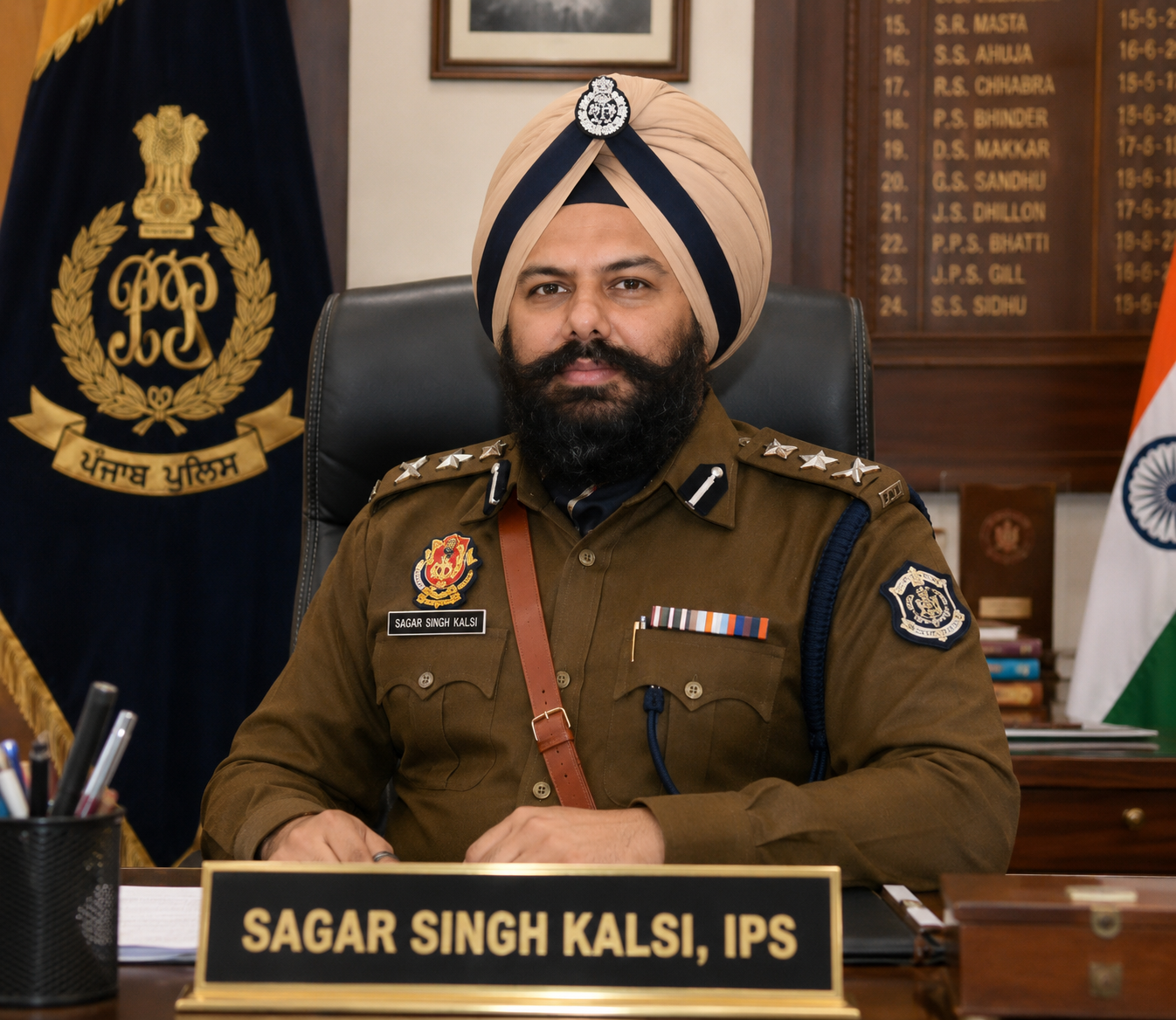
“The badge is not just a symbol of authority—it is a promise to protect every citizen with courage, fairness, and integrity.” This philosophy reflects the professional journey of Sagar Singh Kalsi, IPS, a 2010-batch AGMUT cadre officer who has served in several important policing assignments across the Union Territories and Delhi. Known for his disciplined leadership, technology-driven policing, and people-first approach, he has contributed significantly to strengthening law and order, improving police efficiency, and enhancing public safety.
The Catalyst (The “Why”)
Inspired by the opportunity to serve the nation and uphold justice, Sagar Singh Kalsi chose the Indian Police Service to make a meaningful impact on society. His determination, leadership qualities, and commitment to public service motivated him to clear the highly competitive UPSC Civil Services Examination.
His professional journey reflects dedication to ethical policing, accountability, and citizen-centric governance.
Early Life and the UPSC Journey
Sagar Singh Kalsi pursued higher education before preparing for the Civil Services Examination. Through perseverance, disciplined preparation, and a desire to serve society, he secured a place in the prestigious Indian Police Service.
Following his selection, he underwent rigorous training at the Sardar Vallabhbhai Patel National Police Academy (SVPNPA), Hyderabad, where he developed expertise in leadership, investigation, law enforcement, and crisis management.
Stepping into the Field: Notable Stints
During his IPS career, Sagar Singh Kalsi has served in several important assignments within the AGMUT Cadre, contributing to policing in Delhi and Union Territories.
His responsibilities have included:
- Maintaining law and order.
- Crime prevention and investigation.
- Public security management.
- Traffic and urban policing.
- Community policing initiatives.
- Police modernization and technology adoption.
His leadership style emphasizes professionalism, accountability, and public engagement.
The Turning Point / Signature Initiative
One of the defining aspects of Sagar Singh Kalsi’s career has been his emphasis on technology-enabled policing and community partnership.
His initiatives have focused on:
- Strengthening cybercrime awareness.
- Improving emergency response systems.
- Enhancing digital policing capabilities.
- Promoting citizen-friendly policing.
- Encouraging transparency and accountability.
- Strengthening police-public communication.
These initiatives have helped improve operational efficiency and public confidence.
Major Achievements & Operations
Throughout his career, Sagar Singh Kalsi has contributed to:
- Effective maintenance of law and order.
- Crime prevention initiatives.
- Public safety awareness campaigns.
- Police modernization projects.
- Community outreach programmes.
- Disaster preparedness and emergency coordination.
- Strengthening cybercrime response mechanisms.
Challenges Overcome
Serving in challenging urban and Union Territory policing environments requires constant vigilance and adaptability.
Sagar Singh Kalsi has demonstrated leadership while handling:
- Sensitive law and order situations.
- Large public gatherings and security arrangements.
- Emerging cybercrime challenges.
- Public safety during emergencies.
- Coordination among multiple law enforcement agencies.
His calm decision-making and professional conduct have strengthened public confidence.
Awards & Recognition
Police Special Duty Medal.
However, he has been recognized professionally for:
- Effective police leadership.
- Administrative efficiency.
- Community policing initiatives.
- Public safety programmes.
- Technology-driven policing reforms.
Personal Insight / Quote
A message reflecting his professional values is:
“Integrity, discipline, and compassion are the strongest tools of an effective police officer. Public trust is earned through service.”
Legacy
Sagar Singh Kalsi’s contributions continue to strengthen:
- Professional policing.
- Public trust.
- Smart policing initiatives.
- Community engagement.
- Law enforcement modernization.
- Ethical police leadership.
His career demonstrates the importance of innovation combined with integrity in modern policing.
Conclusion & The Vision Ahead
Sagar Singh Kalsi represents the new generation of Indian Police Service officers who combine traditional policing values with modern technology and citizen-focused governance. His commitment to public safety, accountability, and innovation continues to inspire young civil service aspirants across the country.
As policing evolves to meet new challenges, officers like him play a vital role in creating a safer, stronger, and more secure India.
Quick Reference
Full Name: Sagar Singh Kalsi, IPS
Current Posting: Director in the Ministry of Petroleum & Natural Gas, Government of India, in New Delhi
Previous Postings:
- Served in various policing assignments under the AGMUT Cadre.
- Held responsibilities in Delhi and Union Territory police administration.
Awards & Achievements:
- Leadership in law and order management.
- Community policing initiatives.
- Police modernization.
- Public safety campaigns.
- Technology-driven policing.
Education: MTech in Process Engineering from the Indian Institute of Technology, Delhi and a BTech in Chemical Engineering from Dr B R Ambedkar National Institute of Technology, Jalandhar.
Batch: 2010
State Cadre: AGMUT Cadre
Promotions:
- Assistant Superintendent of Police
- Superintendent of Police
- Deputy Inspector General-level responsibilities (as applicable to service progression; verify current rank before publication)
Key Issues Handled:
- Law and order.
- Crime prevention.
- Community policing.
- Public safety.
- Cybercrime awareness.
- Police modernization.
- Emergency response.
Inspirations To Count:
- Integrity.
- Courage.
- Innovation.
- Public service.
- Leadership.
- Accountability.
Message From the Officer
“Every young Indian has the power to contribute to the nation. Believe in discipline, uphold honesty, respect the law, and never stop learning. Service to society is the highest form of leadership.”