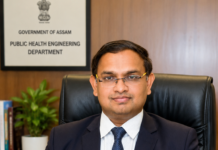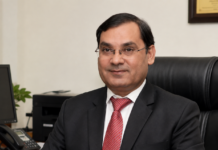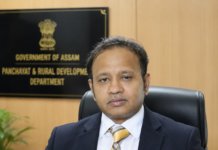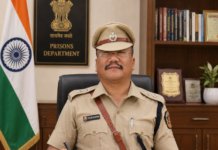


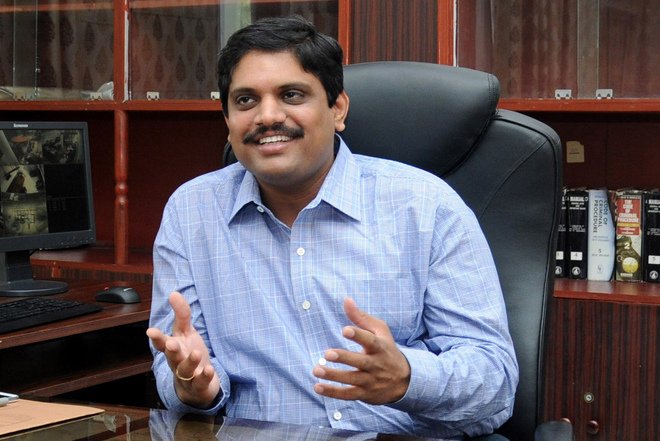
A 2003-batch IAS officer, Ajit Balaji Joshi combines field experience, technology-led administration and institutional leadership in Punjab’s rural development, taxation, cooperation and local-body election governance.
Profile at a Glance
That responsibility places Ajit Balaji Joshi, IAS, in an important position in Punjab’s administrative system. A 2003-batch IAS officer, Joshi is currently serving in senior administrative roles covering Rural Development & Panchayats, Taxation, Cooperation and Local Bodies Elections. The Government of Punjab’s current directory confirms these responsibilities.
His career is particularly notable for its combination of field administration, urban governance, technology-based electoral reform and senior departmental management.
From serving as Deputy Commissioner of Jind and later Deputy Commissioner of Chandigarh to leading major departments in Punjab, Joshi’s journey illustrates the evolution of a civil servant from district-level administration to complex policy and institutional responsibilities.
The Catalyst – Why Civil Services?
Therefore, it would be inappropriate to manufacture a childhood story or attribute an unverified quotation to him.
What can be established is that Joshi entered the IAS through direct recruitment in the 2003 batch, beginning a career that would expose him to district administration, urban governance, revenue and taxation, public-sector institutions and technology-driven administrative reforms.
His career trajectory suggests the importance of several qualities that are central to successful public administration:
- Analytical thinking
- Technical understanding
- Administrative adaptability
- Field-level experience
- Institutional coordination
- Technology adoption
- Citizen-focused service delivery
His engineering background is especially relevant to his later record of using technology to solve practical administrative problems.
Early Life and Education
Available service-profile sources identify him as an engineering graduate, with one profile specifically recording a B.E. in Electrical Engineering. Another publicly available profile records that he is proficient in English, Hindi and Marathi.
His educational background provides an interesting foundation for an administrative career increasingly influenced by technology.
The combination of engineering knowledge and public administration has been particularly relevant to one of his notable achievements: the use of software to address duplication in electoral rolls.
The UPSC Journey – From Engineering to Public Administration
Joshi’s selection to the IAS in the 2003 batch marked the beginning of a career that has crossed several administrative domains.
Unlike a narrowly specialized professional career, the IAS requires officers to repeatedly move between different areas of governance.
Joshi’s career demonstrates this versatility, with publicly documented responsibilities including:
- Assistant Commissioner
- Sub-Divisional Officer/Civil
- Deputy Commissioner
- Managing Director
- Excise Commissioner
- Secretary
- Director General
- Chief Executive Officer
- Administrative Secretary
His career has consequently involved both grassroots administration and senior policy formulation.
Stepping Into the Field – Early Administrative Experience
Joshi’s early career included field responsibilities in Haryana.
The publicly available career record identifies him as an Assistant Commissioner in Panipat and later SDO (Civil), Sonipat.
Field postings are among the most important stages in an IAS officer’s development because they place administrators directly in contact with citizens and local institutions.
At this stage, officers gain practical experience in:
- Revenue administration
- Law and order coordination
- Development programmes
- Public grievances
- Local government
- Disaster response
- Implementation of government schemes
This field experience subsequently becomes invaluable when officers take up policymaking positions at the state level.
Challenges Overcome
Unlike an IPS officer, Joshi’s career is not primarily defined by anti-crime operations or physical risks associated with policing.
His challenges are more closely connected with complex administration and institutional coordination.
These include:
- Managing district administration
- Coordinating multiple government departments
- Handling urban governance in Chandigarh
- Managing taxation and revenue administration
- Overseeing rural development
- Strengthening Panchayati Raj institutions
- Managing local-body election responsibilities
- Ensuring accountability in village institutions
- Balancing development with regulatory requirements
- Managing administrative transitions and additional charges
His career demonstrates the ability to move between very different governance environments.
Awards & Recognition
Gfiles Governance Award – Exceptional Contribution
One of the strongest documented recognitions associated with Joshi is the Gfiles Governance Awards’ Exceptional Contribution Award.
He was recognized for conceptualizing a software programme to eliminate duplication of names in voter lists and using technology to improve administrative efficiency. At the time, he was identified as Deputy Commissioner of Chandigarh.
This recognition is particularly important because it directly connects his work with technology-driven governance.
What made the achievement significant?
It demonstrated that:
- Administrative problems can be solved through innovation.
- Technology can strengthen election management.
- Better data management can improve public institutions.
Civil servants can become catalysts for digital transformation.
Personal Insight
There is limited publicly documented material containing direct motivational quotations from Joshi.
Therefore, rather than inventing a quote, his administrative journey can be understood through the work he has undertaken.
A strong editorial takeaway from his career is:
“Good governance becomes stronger when administrators combine field experience with innovation, technology and accountability.”
Conclusion – The Vision Ahead
Ajit Balaji Joshi’s journey offers an interesting picture of how Indian administration is changing.
The modern civil servant is no longer simply a coordinator of files and government departments. Today’s administrator must understand technology, data, elections, local governance, revenue, rural development and citizen expectations simultaneously.
Joshi’s career—from field administration to Chandigarh, from electoral technology to rural governance—reflects that transformation.His current responsibilities place him close to some of Punjab’s most important governance priorities: strengthening rural institutions, ensuring effective local-body administration, managing taxation, supporting cooperative institutions and overseeing grassroots elections.
Quick Reference
- Full Name: Ajit Balaji Joshi, IAS
- Service: Indian Administrative Service
- Batch: 2003
- Cadre: Punjab
- Current Posting: Administrative Secretary, Rural Development & Panchayats, Government of Punjab
- Additional Responsibilities: Administrative Secretary, Taxation; Administrative Secretary, Cooperation; Secretary, Elections (Local Bodies Elections Wing)
- Education: B.E. in Electrical Engineering.
- Previous Postings/Responsibilities: Assistant Commissioner, SDO (Civil), Deputy Commissioner, Managing Director, Excise Commissioner, Secretary, Director General, Chief Executive Officer and other senior administrative positions.
- Important Field Posting: Deputy Commissioner, Jind; Deputy Commissioner, Chandigarh.
- Technology Achievement: Conceptualized software to help eliminate duplicate names in electoral rolls.
- Recognition: Gfiles Governance Awards – Exceptional Contribution Award.
- Other Recognition: A public service profile records a Prime Minister’s Award related to education for underprivileged children and a Distinguished Service Award in 2008; verify against the original award citations before publication.
- Key Issues Handled: Rural development, Panchayati Raj, local-body elections, taxation, cooperation, urban administration, electoral data management and public service delivery.
- Current Focus: Grassroots governance, rural development, institutional accountability, taxation, cooperative administration and local-body elections
The Message From the Officer
However, his documented career provides a powerful message for young Indians:
Public service becomes meaningful when knowledge is converted into practical solutions, technology is used for public benefit, and institutions remain accountable to the people they serve.