

A seasoned administrator leading transformative development through strategic governance and public service excellence
Profile at a Glance
Development is not only measured by infrastructure created but by the lives transformed through effective governance. Behind many major government initiatives stands the dedication of civil servants who convert policies into action.
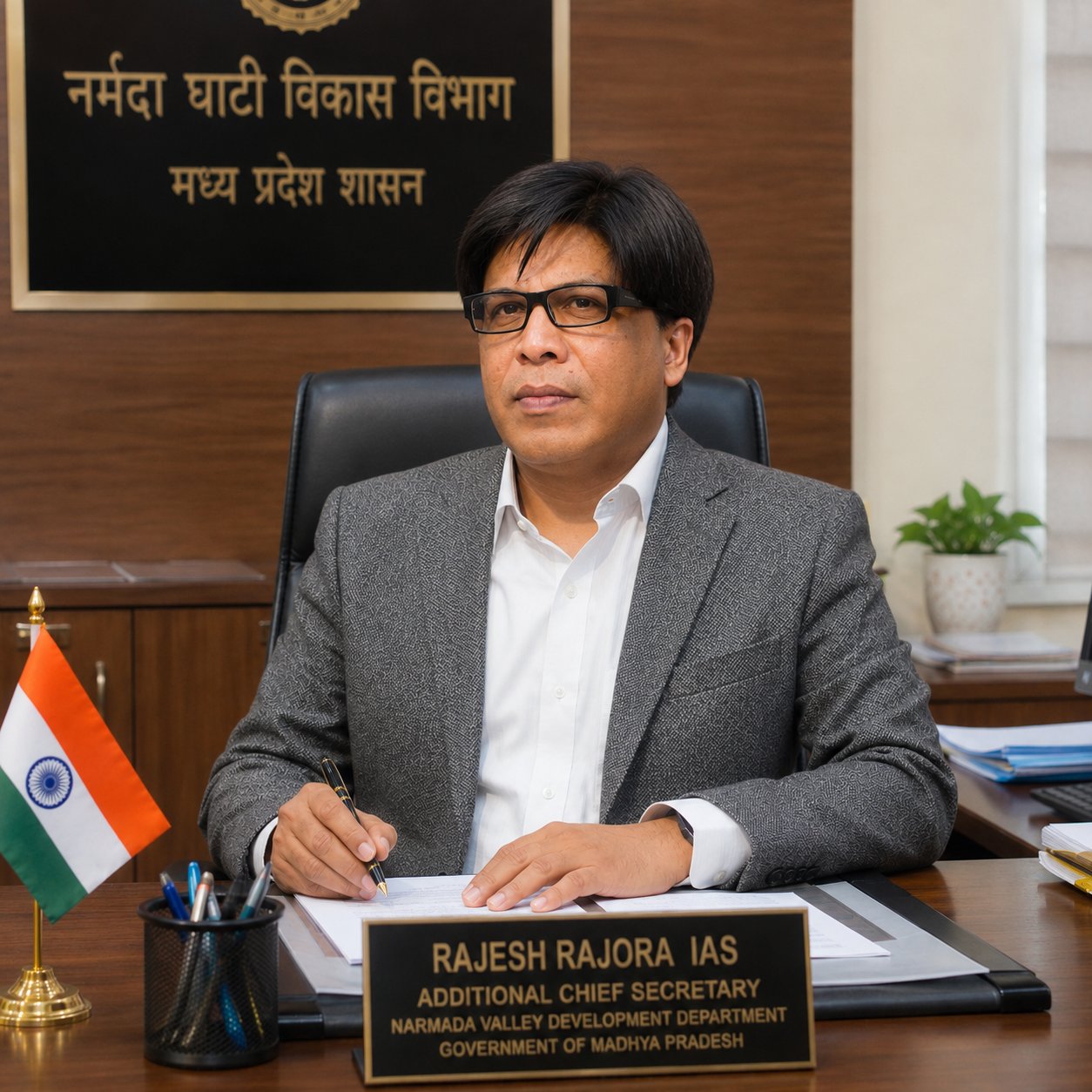
Rajesh Rajora IAS, a senior officer of the 1990 batch of the Indian Administrative Service (IAS), Madhya Pradesh cadre, is one such distinguished administrator who has contributed significantly to the state’s governance landscape. He is currently serving as the Additional Chief Secretary, Narmada Valley Development Department, Government of Madhya Pradesh.
With decades of administrative experience, Rajesh Rajora has handled several important responsibilities involving policy planning, infrastructure development, public administration, and implementation of government programmes. His career reflects the core values of the IAS — commitment, efficiency, and service towards society.
The Catalyst (The “Why”): Choosing the Path of Civil Services
The Indian Administrative Service attracts individuals who wish to contribute directly to society by participating in governance and nation-building.
Rajesh Rajora’s journey into the IAS represents a commitment to public administration and creating meaningful change through government systems. His long administrative career demonstrates a strong understanding of development challenges and the importance of effective policy implementation.
The IAS provides an opportunity to work at multiple levels — from grassroots administration to state-level policymaking. Over the years, Rajesh Rajora has used this platform to contribute to areas including:
- Infrastructure development
- Economic growth initiatives
- Public policy implementation
- Administrative reforms
- Resource management
Early Life and UPSC Journey
However, his successful entry into the Indian Administrative Service through the UPSC Civil Services Examination marked the beginning of a remarkable public service journey.
The IAS requires a combination of academic excellence, leadership ability, decision-making skills, and dedication. Rajesh Rajora’s career progression reflects these qualities as he moved through various challenging assignments and leadership roles.
Stepping Into the Field: Notable Administrative Stints
Over his long career, Rajesh Rajora has served in several important positions in the Government of Madhya Pradesh and has contributed to different sectors of administration.
His experience covers:
1. Policy Leadership and Governance Administration
As a senior bureaucrat, he has been responsible for:
- Designing and implementing government policies
- Coordinating between departments
- Strengthening administrative systems
- Ensuring effective delivery of public programmes
2. Narmada Valley Development Department Leadership
As the Additional Chief Secretary of the Narmada Valley Development Department, Rajesh Rajora oversees one of Madhya Pradesh’s most strategically important sectors.
The Narmada Valley Development programme is closely connected with:
- Water resource management
- Irrigation development
- Agricultural growth
- Regional development
- Sustainable resource utilisation
His role involves ensuring effective planning and coordination for projects that impact millions of citizens.
The Turning Point / Signature Initiative
A significant part of Rajesh Rajora’s administrative contribution has been his involvement in development-oriented governance.
Working in senior positions, he has focused on:
Strengthening Development Administration
His leadership approach emphasises:
- Efficient project execution
- Transparency in governance
- Better coordination among departments
- Long-term planning for public welfare
Narmada Valley Development Vision
The Narmada Valley region represents one of Madhya Pradesh’s most important development areas. Effective administration in this sector requires balancing:
- Water availability
- Agricultural needs
- Infrastructure expansion
- Environmental considerations
Through administrative leadership, officers like Rajesh Rajora play an important role in ensuring that development reaches communities.
Major Achievements & Administrative Contributions
1. Senior Leadership in Government Administration
- Successfully handled major responsibilities across different departments of Madhya Pradesh Government.
- Contributed to policy formulation and implementation.
- Supported government initiatives through strategic administrative planning.
2. Development and Infrastructure Governance
- Worked on matters related to development planning and public infrastructure.
- Focused on improving administrative efficiency and programme execution.
3. Public-Oriented Governance
- Promoted effective implementation of government schemes.
- Worked towards strengthening coordination between government institutions and citizens.
Challenges Overcome
Senior administrative positions come with complex responsibilities and demanding decision-making situations.
During his career, Rajesh Rajora has faced challenges such as:
- Managing large-scale government projects.
- Balancing development priorities with administrative limitations.
- Coordinating multiple departments and stakeholders.
- Ensuring timely implementation of public programmes.
The Narmada Valley Development sector itself involves complex challenges related to water management, infrastructure planning, and sustainable development.
Awards & Recognition
However, his appointment to important leadership positions, including Additional Chief Secretary, represents recognition of:
- His administrative experience
- Leadership capabilities
- Policy expertise
- Contribution to governance in Madhya Pradesh
For IAS officers, career progression and entrusted responsibilities often represent significant professional recognition.
Personal Insight
“Public administration is about responsibility, integrity, and creating systems that improve the lives of citizens.”
His journey inspires young aspirants to view civil services as a platform for meaningful contribution and nation-building.
Awards and Legacy
Rajesh Rajora’s administrative legacy is connected with his contribution to governance and development in Madhya Pradesh.
His career highlights:
- Long-term commitment to public service
- Experience in critical government sectors
- Leadership in policy implementation
- Focus on development-oriented administration
His work represents the role of civil servants in transforming government vision into practical outcomes.
Conclusion & The Vision Ahead
The journey of Rajesh Rajora IAS reflects decades of dedication towards public administration and governance.
From joining the Indian Administrative Service to managing crucial departments of Madhya Pradesh, his career demonstrates how experienced administrators contribute to building stronger institutions and improving public services.
As Madhya Pradesh continues its development journey, leaders like Rajesh Rajora remain important contributors to shaping policies that influence economic growth, infrastructure, and citizen welfare.
Quick Reference
Full Name: Rajesh Rajora IAS
Current Posting: Additional Chief Secretary, Narmada Valley Development Department, Government of Madhya Pradesh
Previous Postings: Various senior administrative positions in Government of Madhya Pradesh
Awards & Achievements: Recognised through senior administrative responsibilities and leadership assignments
Education: M.B.B.S.(Medicine)
Batch: 1990 IAS Batch
Cadre: Madhya Pradesh Cadre
Promotions: Progressed through multiple senior IAS positions, eventually becoming Additional Chief Secretary
Key Issues Handled:
- Narmada Valley Development
- Water resource administration
- Infrastructure planning
- Government policy implementation
- Public administration reforms
Inspirations To Count:
- Commitment to public service
- Development-focused governance
- Administrative excellence
- Citizen welfare
Message From The Officer
“The true purpose of administration is to serve people with honesty, efficiency, and dedication. Every policy decision should aim to create sustainable development and improve the quality of life of citizens.”