

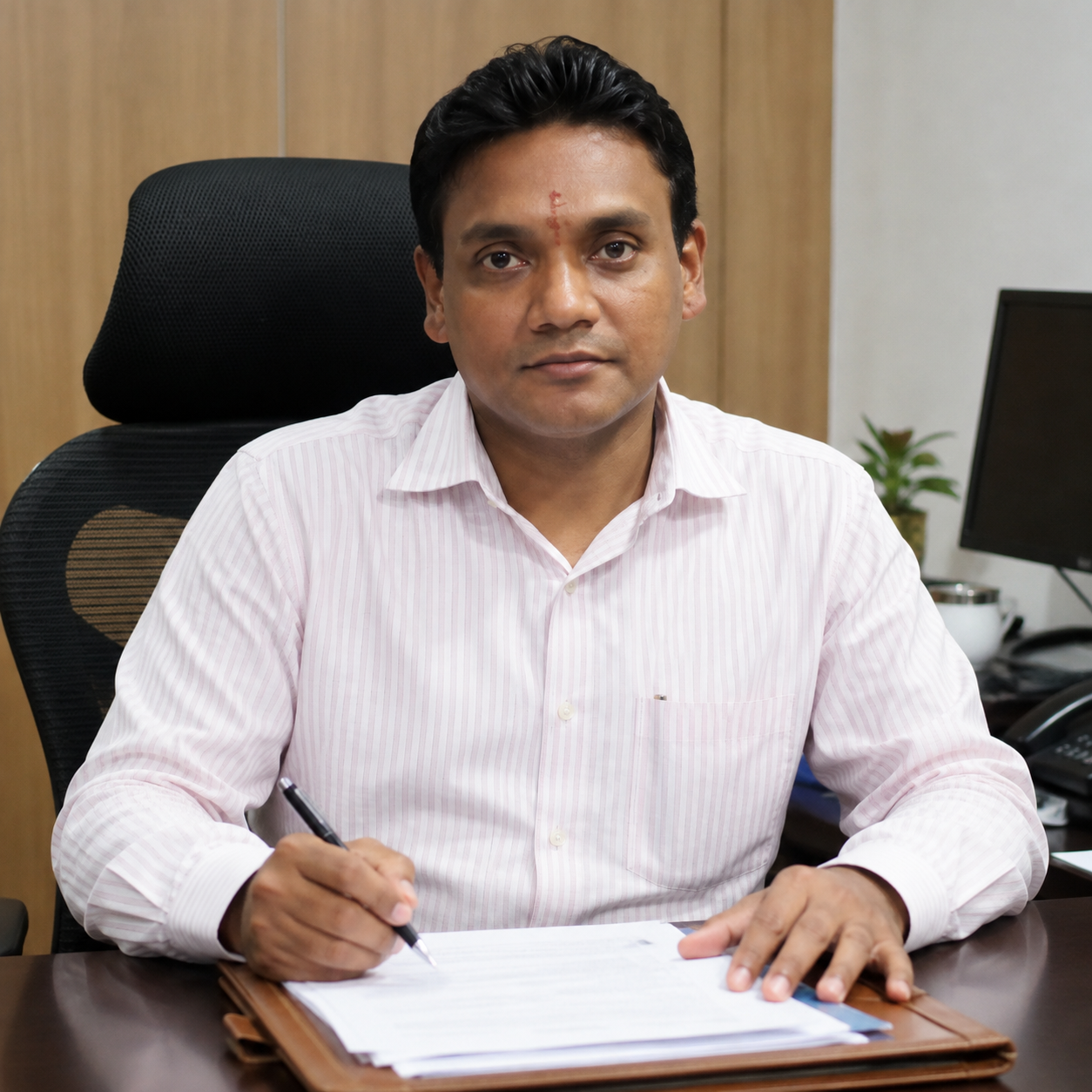
A 2014-batch AGMUT officer entrusted with Personnel, Vigilance and administrative reform in Arunachal Pradesh
Profile at a Glane
Rajesh Kumar, IAS, a 2014-batch officer of the AGMUT cadre, is currently serving in Arunachal Pradesh as Secretary for Administrative Reforms & Training, Personnel and Vigilance. The Arunachal Pradesh government’s official Who’s Who portal lists him in these responsibilities.
His present responsibilities place him in an especially significant position. Personnel administration affects the state’s human resources and service matters; vigilance is closely connected with integrity and accountability in public administration; while Administrative Reforms and Training focus on improving how government institutions function and how officials develop their professional capabilities.
His current Personnel/Vigilance responsibility was formally assigned through an Arunachal Pradesh government order in January 2026. The order reallocated his existing charge as Secretary, Administrative Reforms and Training, adding Secretary (Personnel/Vigilance) to his portfolio
The Catalyst: The Journey into Public Administration
His journey into the IAS represents the transition from public-service selection to increasingly important responsibilities within the state administration. His current portfolio shows a particular connection with institutional functioning, human-resource management, administrative reform and accountability.
That makes his profile particularly relevant for young civil-service aspirants who want to understand that IAS work is not limited to district administration or visible development projects. A substantial part of governance is about building systems that allow the government to perform better.
Early Life and the UPSC Journey
Rajesh Kumar, IAS, belongs to the 2014 batch of the AGMUT cadre and has built his professional journey around public administration and institutional governance. While reliable public sources do not provide detailed information about his hometown, family background, early schooling, or the personal motivation that inspired him to pursue civil services, his career reflects a strong commitment to administrative responsibilities. His entry into the IAS marked the beginning of a journey through increasingly significant government assignments. Over the years, his experience has led him to responsibilities involving administrative reforms, personnel management, training and vigilance, placing him at the centre of governance and institutional accountability in Arunachal Pradesh.
Stepping Into the Field: Building Administrative Experience
Unlike some senior IAS officers whose public profiles contain extensive media coverage of district-level projects, Rajesh Kumar’s publicly documented profile is relatively limited.
The available current service information establishes his position in Arunachal Pradesh, but does not provide enough reliable material to construct a complete chronological list of every earlier posting.
This distinction is important for your Bharat Aawaz News Channel article.
Instead of listing unverified assignments, the career story can be built around his documented progression:
2014 – Entry into the IAS
Rajesh Kumar belongs to the 2014 batch of the Indian Administrative Service and is associated with the AGMUT cadre.
Administrative Reforms and Training
Before receiving the Personnel/Vigilance portfolio, he was serving as Secretary, Administrative Reforms and Training in the Government of Arunachal Pradesh.
Personnel and Vigilance Responsibility – 2026
In January 2026, the state government assigned him the additional responsibility of Secretary (Personnel/Vigilance) while he continued with his existing responsibilities.
This development represents a significant expansion of his administrative portfolio.
The Turning Point: Personnel and Vigilance
The January 2026 administrative order is arguably the most important publicly documented development in Rajesh Kumar’s current career.
On 15 January 2026, the Arunachal Pradesh government issued an order reallocating charges among senior officers.
Rajesh Kumar, then Secretary for Administrative Reforms and Training, was assigned the additional charge of Secretary (Personnel/Vigilance).
The state government described the reshuffle as part of a routine administrative arrangement.
However, the responsibilities themselves are significant.
Personnel
Personnel administration is essentially about the people who operate the government system.
It can involve matters such as:
- service administration;
- appointments;
- postings;
- promotions;
- departmental procedures;
- human-resource management;
- service rules;
- establishment matters; and
- coordination across government departments.
Major Administrative Contributions.
His documented contribution should instead be presented through his institutional responsibilities.
1. Administrative Reform
As Secretary for Administrative Reforms and Training, he has been entrusted with an area directly connected to improving the functioning of government departments.
2. Personnel Administration
His additional Personnel charge places him in an important role in the state’s broader human-resource and service administration.
3. Vigilance
The additional Vigilance portfolio gives him responsibility in an area directly associated with integrity and accountability within public administration.
4. Capacity and Training
The training component of his portfolio reflects the importance of building a professional and capable government workforce.
Challenges Before a Personnel and Vigilance Administrator
Rajesh Kumar’s current assignment carries challenges that are structural rather than dramatic.
1. Managing a Large Government Workforce
Government administration depends on thousands of officials and employees working across departments and locations.
Maintaining consistency in service matters is a complex task.
2. Balancing Efficiency and Rules
Administrative decisions must often balance the need for speedy governance with established service rules and procedures.
3. Maintaining Institutional Integrity
Vigilance responsibilities require fairness, confidentiality, procedural discipline and institutional credibility.
4. Strengthening Administrative Capacity
Training must go beyond formal programmes. It needs to translate into better decision-making and stronger implementation on the ground.
5. Reforming Established Systems
Administrative reform often encounters resistance simply because established processes become deeply embedded in government institutions.
Successful reform therefore requires patience, coordination and sustained follow-through.
Awards and Recognition
However, his professional recognition is reflected in the important responsibilities entrusted to him. In January 2026, the Arunachal Pradesh Government assigned him the additional responsibility of Secretary (Personnel and Vigilance) while he continued as Secretary (Administrative Reforms and Training). The government described the allocation as part of an administrative arrangement aimed at improving coordination and efficient functioning of departments.
Personal Insight
“Good governance begins with strong institutions, capable people and an unwavering commitment to accountability.”
Conclusion & The Vision Ahead
Rajesh Kumar’s journey as a 2014-batch AGMUT IAS officer has entered an important phase with his responsibilities in Arunachal Pradesh.
His current portfolio—Administrative Reforms & Training, Personnel and Vigilance—places him at the heart of the state’s administrative machinery.
The significance of his role lies not in a single headline-making operation but in the larger task of strengthening the institutions through which government serves citizens.
Personnel administration determines how the government manages its human resources.
Training helps build administrative capacity.
Administrative reform seeks to improve procedures and performance.
Vigilance reinforces integrity and accountability.
Together, these areas form an important foundation for good governance.
As Arunachal Pradesh continues to pursue infrastructure development, digital governance, economic growth and improved service delivery, strong administrative institutions will remain essential.
For Rajesh Kumar, the road ahead is therefore about more than managing departments. It is about helping create a government system that is capable, ethical, responsive and prepared for the future.
Quick Reference
Full Name: Rajesh Kumar, IAS
Current Posting: Secretary, Administrative Reforms & Training; Personnel; Vigilance, Government of Arunachal Pradesh.
Previous Posting : Secretary, Administrative Reforms and Training, Government of Arunachal Pradesh. In January 2026, Personnel/Vigilance was added to his responsibilities.
Awards & Achievements:
- Serving in senior Secretariat-level administrative responsibilities.
- Entrusted with Administrative Reforms & Training.
- Assigned additional responsibility for Personnel and Vigilance in January 2026.
- Works in areas directly connected with administrative efficiency, government personnel and institutional accountability.
Batch: 2014 IAS Batch.
Cadre: AGMUT Cadre.
Promotions / Career Progression:
State Civil Service → IAS (2014 batch) → senior administrative responsibilities → Secretary, Administrative Reforms & Training → additional responsibility of Personnel/Vigilance.
Key Issues Handled:
- Administrative reforms
- Personnel administration
- Vigilance
- Government employee management
- Administrative training
- Institutional capacity building
- Service administration
- Government accountability
- Administrative efficiency
Inspirations to Count:
- Good governance
- Institutional integrity
- Administrative reform
- Accountability
- Professional capacity building
- Rule-based administration
- Citizen-centric governance
The Message for the officer
“Public service is not only about holding a position; it is about strengthening institutions, respecting rules, continuously learning and ensuring that governance ultimately serves the citizen.”