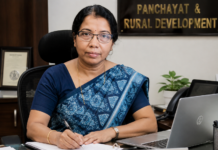


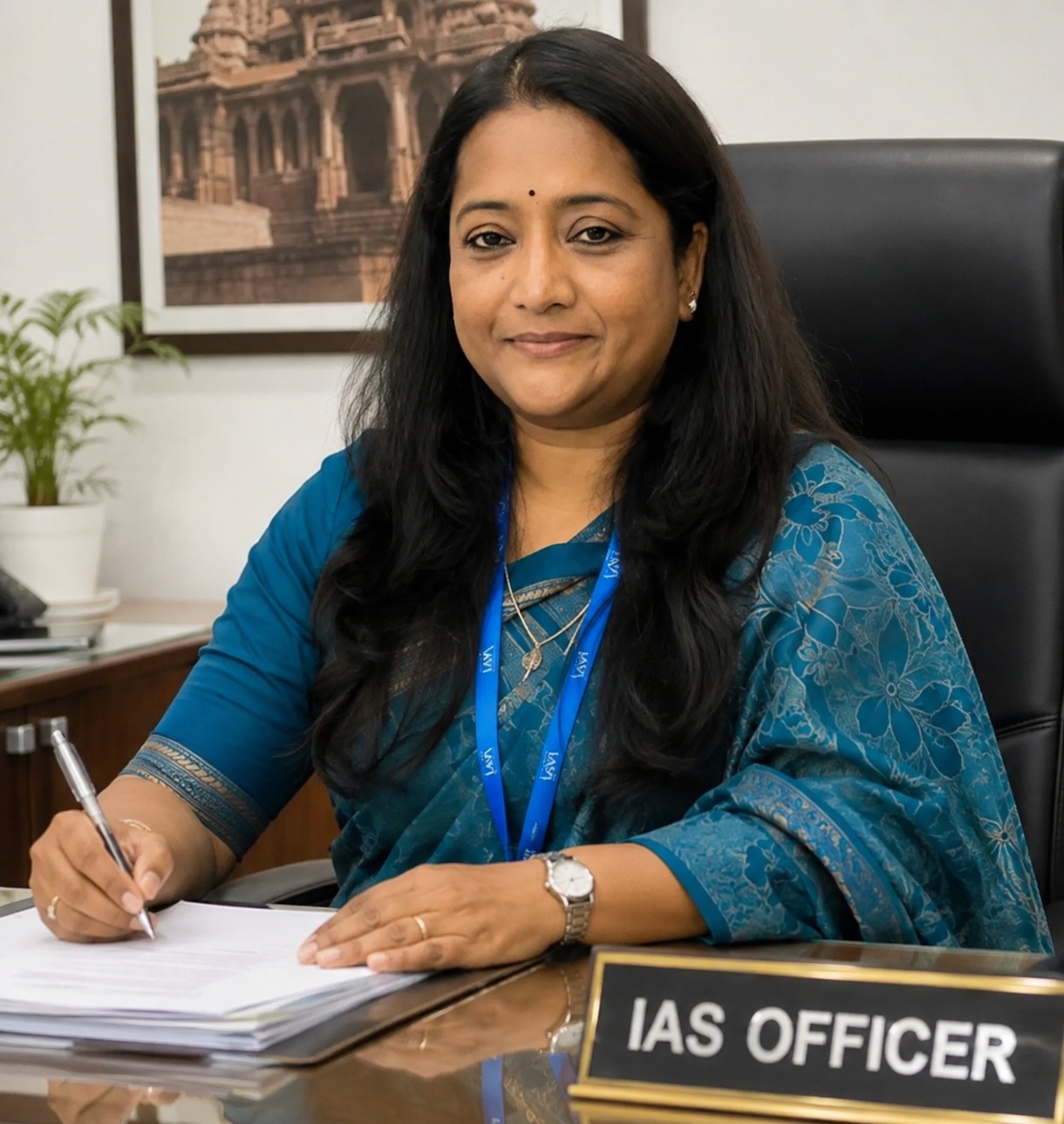
A distinguished 1994-batch Rajasthan cadre IAS officer shaping governance, institutional reforms, and the future of public administration through visionary leadership at HCM-RIPA.
Profile at a Glance
Leadership in public administration is not merely about occupying high office; it is about creating institutions that continue to serve citizens long after individual tenures end. Few officers embody this philosophy better than Sreya Guha, IAS, whose career reflects integrity, administrative innovation, and a steadfast commitment to strengthening governance in Rajasthan.
A 1994-batch Indian Administrative Service (IAS) officer of the Rajasthan cadre, Sreya Guha currently serves as Director General of the Harish Chandra Mathur Rajasthan State Institute of Public Administration (HCM-RIPA), Jaipur, where she leads one of India’s premier state-level civil service training institutions. She assumed the role in 2026, guiding capacity-building initiatives aligned with Mission Karmayogi and modern governance reforms.
The Catalyst – The Inspiration Behind Joining Public Service
Although Sreya Guha, IAS distinguished career reflects a deep commitment to public welfare and institutional excellence. Backed by a strong academic foundation from Jawaharlal Nehru University (JNU), she entered the 1994 Rajasthan cadre of the IAS with a vision to contribute to nation-building through effective governance. Over the years, her leadership across diverse departments has demonstrated a steadfast dedication to ethical administration, citizen-centric policymaking, and strengthening public institutions.
Early Life and Educational Journey
Sreya Guha’s academic background laid a strong foundation for her administrative career. She completed both her Master of Arts (M.A.) and M.Phil. from Jawaharlal Nehru University (JNU), New Delhi. Over the years, she further strengthened her professional expertise with qualifications in Human Rights Law, Tourism Studies, and an international Certificate in Management and Leadership (UK).
Her academic training in public policy, governance, and social sciences helped shape a career focused on institution-building and effective public administration.
Although detailed information about her family background and early motivations has not been publicly documented, her long career reflects a clear commitment to public service and administrative excellence.
The UPSC Journey
Clearing the Civil Services Examination is among India’s most demanding achievements. Sreya Guha entered the IAS through the 1994 Rajasthan cadre, beginning a career that has spanned more than three decades across diverse sectors of governance.
Her career demonstrates adaptability across finance, district administration, tourism, forests, cooperative development, and administrative training.
Stepping into the Field: Notable Administrative Stints
Throughout her career, Sreya Guha has held numerous key positions, including:
- District Collector & District Magistrate, Dholpur
- District Collector & District Magistrate, Karauli
- District Collector & District Magistrate, Bikaner
- Director, Science & Technology
- Additional Commissioner, Bureau of Investment Promotion
- Managing Director in state enterprises
- Principal Secretary, Forest & Environment
- Principal Secretary, Tourism, Art & Culture
- Principal Secretary, Cooperative Department
- Additional Chief Secretary, Cooperative Department
- Additional Chief Secretary, Rural Development
- Director General, HCM-RIPA, Jaipur
These assignments exposed her to district governance, economic development, environmental policy, rural development, cooperative reforms, and civil service training.
Major Contributions
Strengthening District Administration
As District Collector in Dholpur, Karauli, and Bikaner, she supervised:
- Public welfare programmes
- Revenue administration
- Disaster preparedness
- Election management
- Rural development schemes
- Law-and-order coordination with police
District Collectors serve as the administrative heads of districts, ensuring implementation of state and central government programmes.
Tourism, Culture and Heritage
As Principal Secretary, Tourism, Art & Culture, Sreya Guha worked on policies promoting Rajasthan’s heritage, tourism infrastructure, and cultural institutions. She also served as Director General of Jawahar Kala Kendra during this period.
Forest and Environment
Her tenure in the Forest & Environment Department involved oversight of environmental governance, conservation policies, and sustainable development initiatives in Rajasthan.
Cooperative Sector Reforms
As Principal Secretary and later Additional Chief Secretary of the Cooperative Department, she supervised policies affecting cooperative institutions in the state and served on the boards of organizations such as IFFCO and NAFED.
The Turning Point: Leading HCM-RIPA
One of the defining phases of her career is her appointment as Director General of HCM-RIPA, Rajasthan’s apex training institute for civil servants.
Under her leadership, the institute has emphasized:
- Capacity building for government officers
- Leadership development
- Mission Karmayogi initiatives
- Ethical governance
- Technology-enabled administration
- Citizen-centric public service
During the 2026 “Sadhana Saptah” programme, she highlighted HCM-RIPA’s efforts to prepare future-ready civil servants through innovation, accountability, and continuous learning.
Challenges Overcome
Serving across multiple departments required navigating:
- Administrative reforms
- Rural governance challenges
- Environmental policy implementation
- Cooperative sector modernization
- Capacity building of civil servants
- Institutional change management
Her career demonstrates versatility across governance sectors rather than specialization in a single department.
Awards & Recognition
Her recognition is reflected in:
- Appointment to several senior leadership roles
- Promotion to Additional Chief Secretary
- Leadership of HCM-RIPA
- Membership on boards of major cooperative institutions
Leadership Philosophy
In public appearances, Sreya Guha has emphasized:
- Continuous learning
- Administrative innovation
- Ethical public service
- Citizen-centric governance
- Capacity building of government officers
During HCM-RIPA programmes, she has highlighted the importance of creating competent, responsive, and sensitive civil servants for the future.
Legacy
After more than three decades in public service, Sreya Guha’s legacy includes:
- Strengthening district governance
- Promoting sustainable administration
- Improving cooperative governance
- Supporting tourism and environmental policy
- Building future generations of civil servants through HCM-RIPA
Her career reflects the evolving role of the IAS in policy, institutional reform, and public service.
Conclusion – The Vision Ahead
As Director General of HCM-RIPA, Sreya Guha is helping shape not just today’s administration but the administrators of tomorrow. Her journey illustrates how effective governance depends on integrity, knowledge, and continuous learning.
Her work continues to inspire young civil service aspirants to view administration not merely as a career, but as a lifelong commitment to nation-building.
Quick Reference
- Full Name: Sreya Guha
- Current Posting: Director General, HCM-RIPA, Jaipur (Ex-officio Additional Chief Secretary, Training)
- Previous Postings: Additional Chief Secretary (Rural Development), Additional Chief Secretary (Cooperation), Principal Secretary (Forest & Environment), Principal Secretary (Tourism, Art & Culture), District Collector (Dholpur, Karauli, Bikaner), Director, Science & Technology, among others.
- Awards & Achievements: Senior leadership appointments across key Rajasthan government departments; head of HCM-RIPA; board roles in cooperative institutions.
- Education: M.A., M.Phil. (JNU); additional qualifications in Human Rights Law, Tourism Studies, and Management & Leadership (UK).
- Batch: 1994
- Promotions: Progressed from District Administration to Principal Secretary, Additional Chief Secretary, and Director General, HCM-RIPA.
- Key Issues Handled: District administration, cooperative reforms, tourism, environment, rural development, administrative training, institutional capacity building.
- Inspirations to Count: Lifelong learning, ethical governance, institutional leadership, citizen-focused administration.
Message from the Officer
“Public service demands continuous learning, integrity, innovation, and an unwavering commitment to building responsive, citizen-centric institutions.”